Working at home often means asking one room to hold two different kinds of life. A desk beside the living room window or a small table in the bedroom can work well when its boundaries are clear. The goal is a place that helps you begin, concentrate, and eventually stop.
Choose a position with intention
Look for a place where you can sit without blocking the household's main walking route. Daylight is welcome, but check whether a window creates glare on your screen at the times you usually work. A desk positioned at an angle to the window may be more comfortable than one directly facing it. Consider background noise and nearby power outlets before deciding. If the only available surface is shared, plan where work materials will go at the end of the day. A portable setup can be effective when packing it away is simple.
Make comfort the foundation
A desk that looks good but leaves you constantly shifting is unlikely to serve you well. Arrange the chair and work surface so you can sit comfortably with your feet supported and your everyday tools within easy reach. Screen height and viewing distance should suit your body and the task; make small adjustments and notice what helps. If you work on a laptop for long periods, separate input devices can make positioning more flexible. These are general setup ideas rather than individual ergonomic advice. Persistent discomfort is a reason to seek qualified guidance.
Give every recurring item a home
Paper, charging cables, and small accessories have a way of spreading across a desk. Keep the items you use throughout the day close by and give occasional supplies a drawer or box. A simple tray can collect current paperwork without mixing it with finished work. Route cables so they do not cross a walkway, and follow equipment guidance for power connections. Avoid buying an elaborate organizer before understanding what actually needs organizing. The best system may be one notebook, a pen cup, and a folder that closes.
Bring the room back into the picture
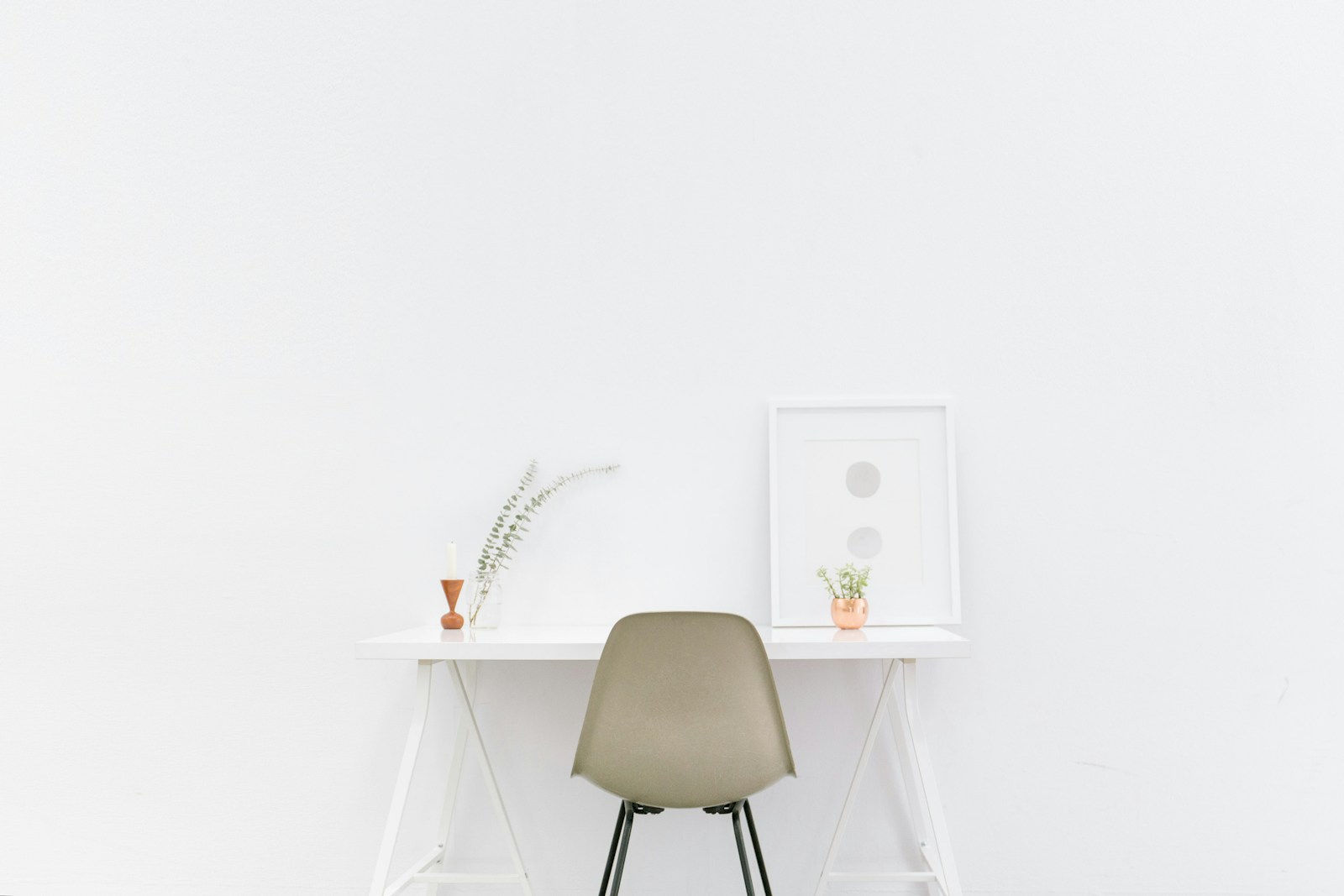
A work corner does not have to resemble a commercial office. Choose materials and colors that relate to the surrounding room, while allowing function to lead. A desk lamp can provide useful task light and become part of the evening lighting after work. A piece of art or a small plant can offer somewhere pleasant to look when you lift your eyes. Keep decoration light enough that it does not steal working space. If video calls are frequent, check the background from the camera's actual position rather than guessing from the doorway.
Design the end of the day
The most useful boundary may be a repeatable closing routine. Write down the next task, save your work, close the computer, and return loose items to their homes. In a shared room, cover or store equipment if that helps the space feel available for other activities. Move the chair back under the desk and change the lighting. These small signals will not solve every challenge of working at home, but they can make the transition more deliberate. A good workspace earns its place by helping you work and by giving the rest of your home back afterwards.
Thoughtful spaces. Everyday rituals.
A home that feels like you.