A comfortable room rarely announces itself. You notice that you have put your bag down, loosened your shoulders, and stayed a little longer than you intended. That ease is less about owning the right furniture than making a few thoughtful decisions about space, light, and everyday rituals.
Begin with a real evening
Before moving a single chair, think about what happens in your living room on an ordinary Tuesday. Perhaps someone reads while another person watches television. Perhaps the floor becomes a building site for wooden blocks. Perhaps the room is simply a quiet place to land after dinner. Write down those uses, then give each one somewhere to happen. A beautiful arrangement that interrupts your habits will always feel faintly uncomfortable. A modest arrangement that supports them can feel generous. This is your starting point, not a photograph from someone else's home.
Give the room a little breathing space
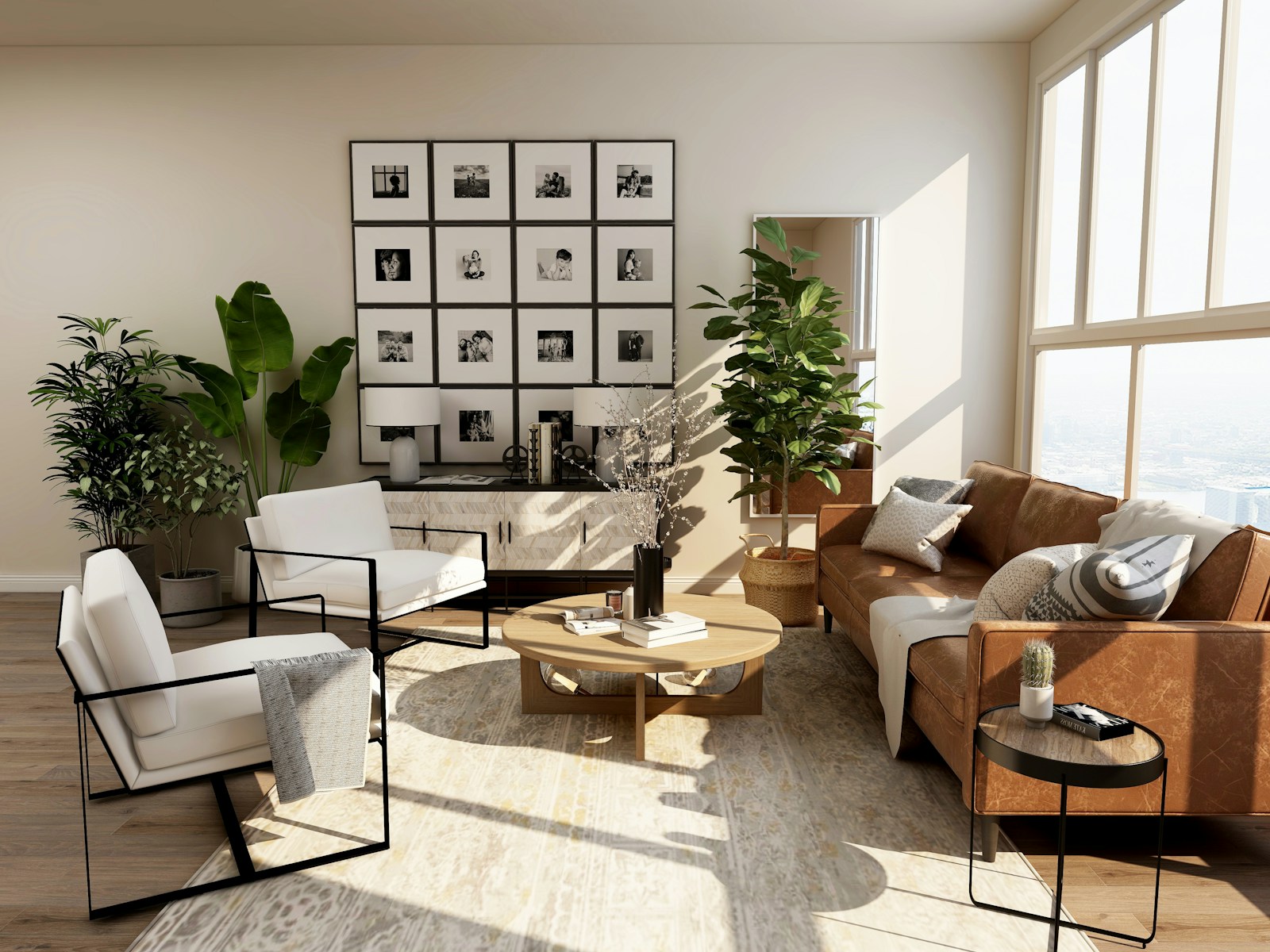
Pulling every piece of furniture against a wall often leaves a strangely empty center without making the room more useful. Try bringing the sofa forward a little, or turning an armchair toward it. The aim is to create a conversation rather than a perimeter. Keep the main route through the room clear enough to walk naturally while carrying a cup. In a smaller space, one comfortable chair is often better than two that must be squeezed around. Let an empty corner remain empty for a week before deciding it needs something.
Build warmth through texture
A quiet color palette still needs variation. Combine the dry feel of linen with a smoother cotton cushion, or place a rough ceramic vessel on a polished wooden table. These differences keep pale rooms from feeling flat. Choose a small family of colors—warm white, oatmeal, and a muted earthy shade, for example—and repeat them loosely. They do not need to match exactly. An old wooden stool or a woven basket introduces the irregularity that new rooms sometimes lack. Use what you already own before shopping for a finishing touch.
Light the places where you sit
One bright ceiling light tends to illuminate the room evenly while doing little for its atmosphere. A floor lamp beside a reading chair, a table lamp near the sofa, and a small pool of light on a shelf let you adjust the room to the evening. Position shades so that bare bulbs are not in your line of sight when seated. If daylight is precious, keep window treatments simple and avoid blocking the brightest corner with tall storage. Test lamp positions after dark; daytime is a poor guide to how an evening room will feel.
Leave room for the unfinished
The final layer should be evidence of life, not a performance of tidiness. Put the book you are reading within reach. Fold a blanket where someone will actually use it. Keep a tray for the small things that otherwise migrate across the coffee table. Then stop. Live with the room through a few evenings and notice where you naturally sit, what you reach for, and what keeps getting moved. Those small observations are more useful than another shopping list. A room becomes restful when it asks less of you, including the need to keep perfecting it.
Thoughtful spaces. Everyday rituals.
A home that feels like you.