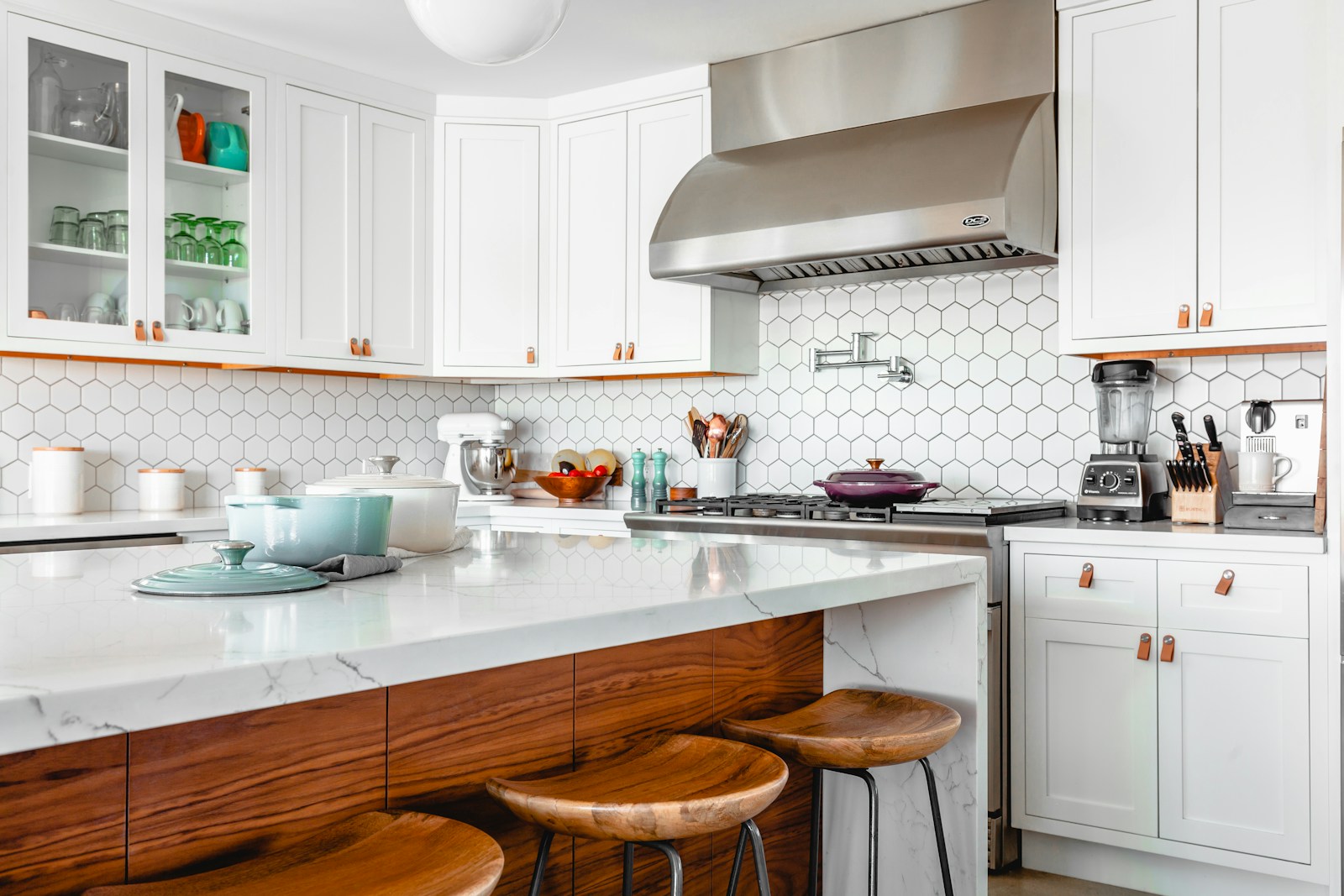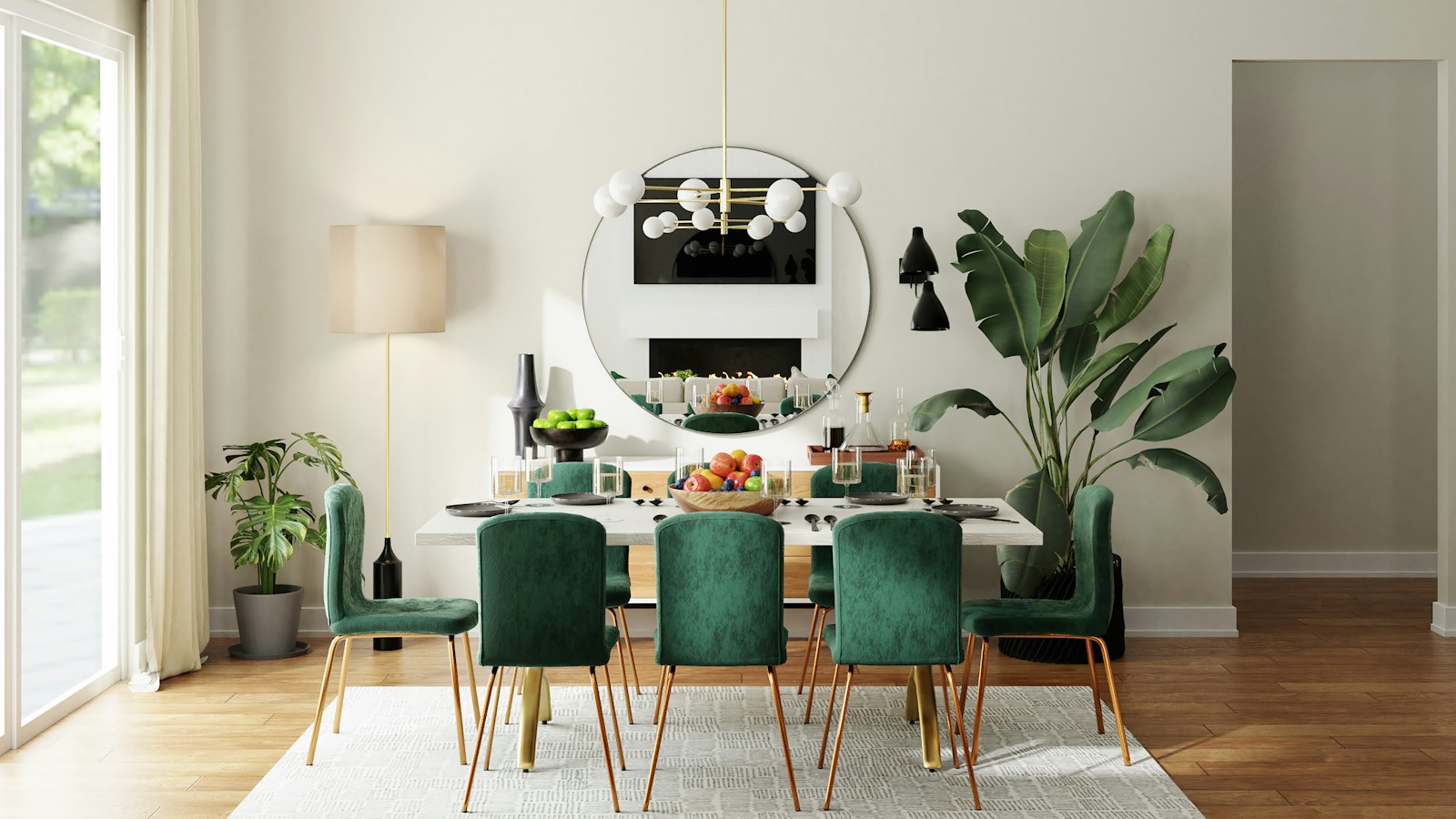
A welcoming table begins with enough room for everyone to sit comfortably and something good to eat. Everything else is optional. A few considered details can make an ordinary meal feel generous, but they should support the gathering rather than become another task between you and your guests.
Make space before adding anything
Clear the table of the work, post, and miscellaneous objects that tend to collect there. If it serves several purposes, give those things a nearby basket or tray so they can move together. Check that chairs can be pulled out without bumping into a cabinet and that everyone has room for their plate and glass. A smaller table may be more comfortable with serving dishes on a sideboard. Test the arrangement with the actual plates you plan to use. It is easier to simplify before the food arrives than while everyone is already seated.
Use the things you enjoy
There is pleasure in using a favorite bowl on a weekday. You do not need a perfectly matched dinner service to set a coherent table. Similar shapes or a shared color can connect different pieces, and a mix of old and new often feels relaxed. Choose glasses that are comfortable to hold and cutlery that works well. If a precious item makes you worry throughout the meal, use something sturdier. The right tableware is the set that lets you enjoy the company rather than supervise every movement around the table.
Add one soft layer
A cloth, a runner, or a set of simple napkins can soften the sound and appearance of a table. Select fabrics you can wash without special arrangements. A creased linen cloth has a different character from crisp cotton; neither is automatically better. If your tabletop has a beautiful surface, leave most of it visible and use placemats where needed. Warm white, muted green, and earthy tones are easy to combine with many kinds of dishes. Begin with what is already in the cupboard before buying a special set for one evening.
Keep the middle low and useful
A centerpiece should not interrupt the conversation or compete with serving dishes. A low jug of flowers, a small bowl of fruit, or a single branch can be enough. Avoid strong scents near food. If you use candles, set them in stable holders away from fabric and anything flammable, and never leave them unattended. A small rechargeable lamp can offer a similar pool of light without an open flame. Make sure the table is still bright enough to see comfortably. Atmosphere should not require anyone to peer at their dinner.
Build a ritual that can repeat
An everyday gathering becomes special through attention more than decoration. Put water within reach, find a place for phones if everyone agrees, and sit down while the food is still good. Give yourself permission to serve a simple meal. Afterwards, clear the most perishable things first and let the rest be manageable. Keep a small collection of easy table essentials together so setting the table next time takes only a few minutes. A ritual survives when it fits real life, including busy evenings, mismatched chairs, and the occasional meal assembled from leftovers.
Thoughtful spaces. Everyday rituals.
A home that feels like you.