Bringing nature into a home can be as simple as noticing what grows outside the window. You do not need an indoor jungle or a collection of matching planters. One well-placed plant, a branch collected with permission, or a table made from familiar wood can shift the feeling of a room.
Read the light before choosing a plant
It is easy to fall in love with a plant in a shop and discover later that your chosen corner cannot support it. Observe the room first. Notice which windows receive direct sun and for how long, where the light is filtered, and which places remain dim. Ask a knowledgeable nursery to suggest plants suited to those conditions and your experience. Check whether a species is appropriate around pets or children before bringing it home. A plant that fits your household is a better starting point than one that merely fits the image you have in mind.
Begin with one relationship
Start with a single plant and learn how it behaves over several weeks. Check its soil and follow care guidance for that species instead of watering every plant on the same calendar. The room's temperature, the size of the pot, and the season can all change how quickly soil dries. Keep drainage in mind, protecting furniture and floors from standing water. Notice new growth, leaf changes, and the weight of the pot. These observations are useful feedback, and they make caring for a plant feel less like another anonymous task on a checklist.
Give greenery a place in the room
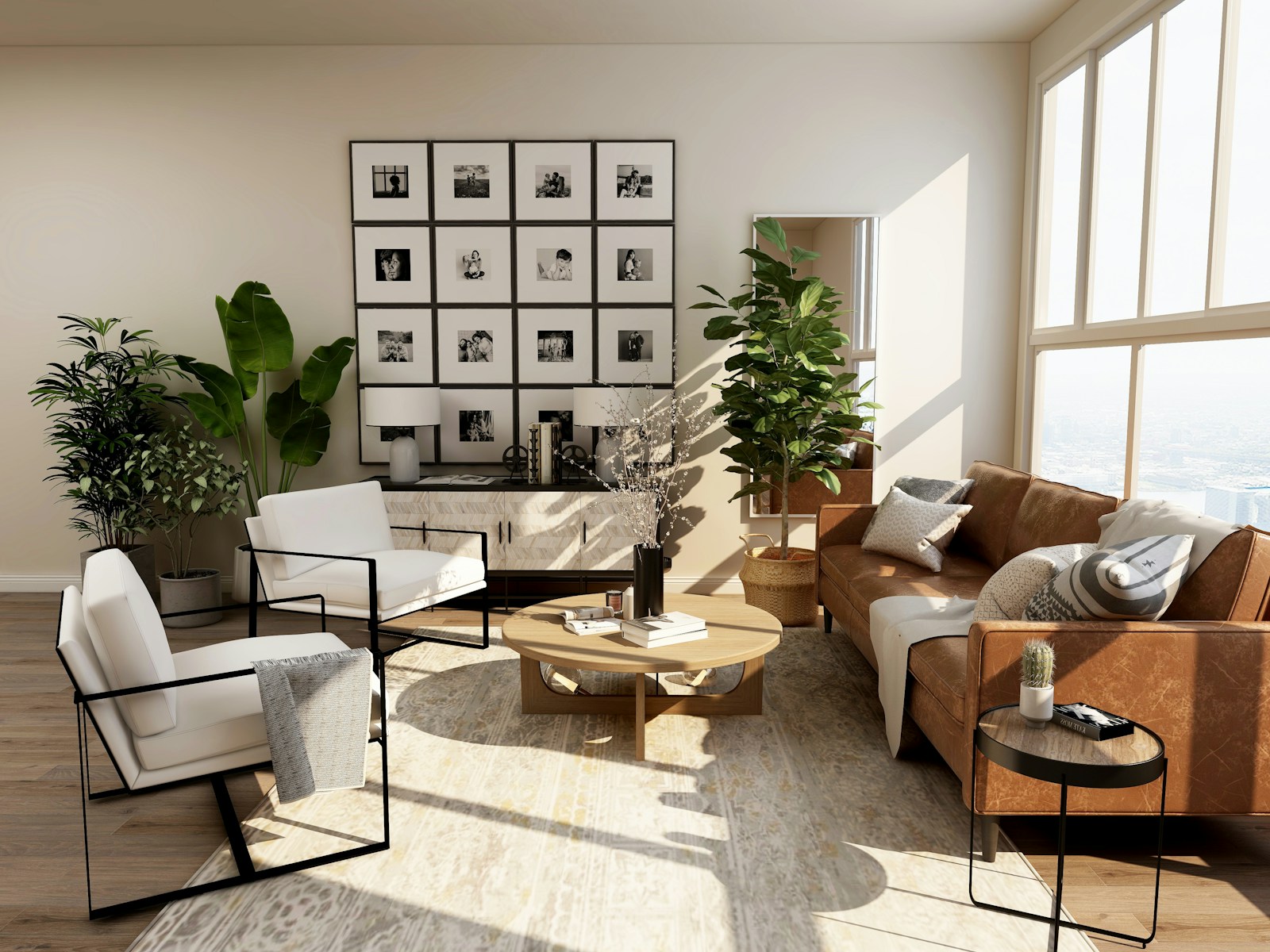
Plants look more intentional when they have enough room to grow without obstructing a doorway or crowding a work surface. A larger specimen can soften an unused corner if the light is suitable. A smaller one can sit beside a stack of books or on a kitchen shelf away from hot surfaces. Vary the heights of a group rather than lining up identical pots. Choose containers that work with the materials already present: terracotta alongside warm wood, for example, or a simple ceramic pot near pale plaster. Always prioritize drainage over appearance.
Look beyond houseplants
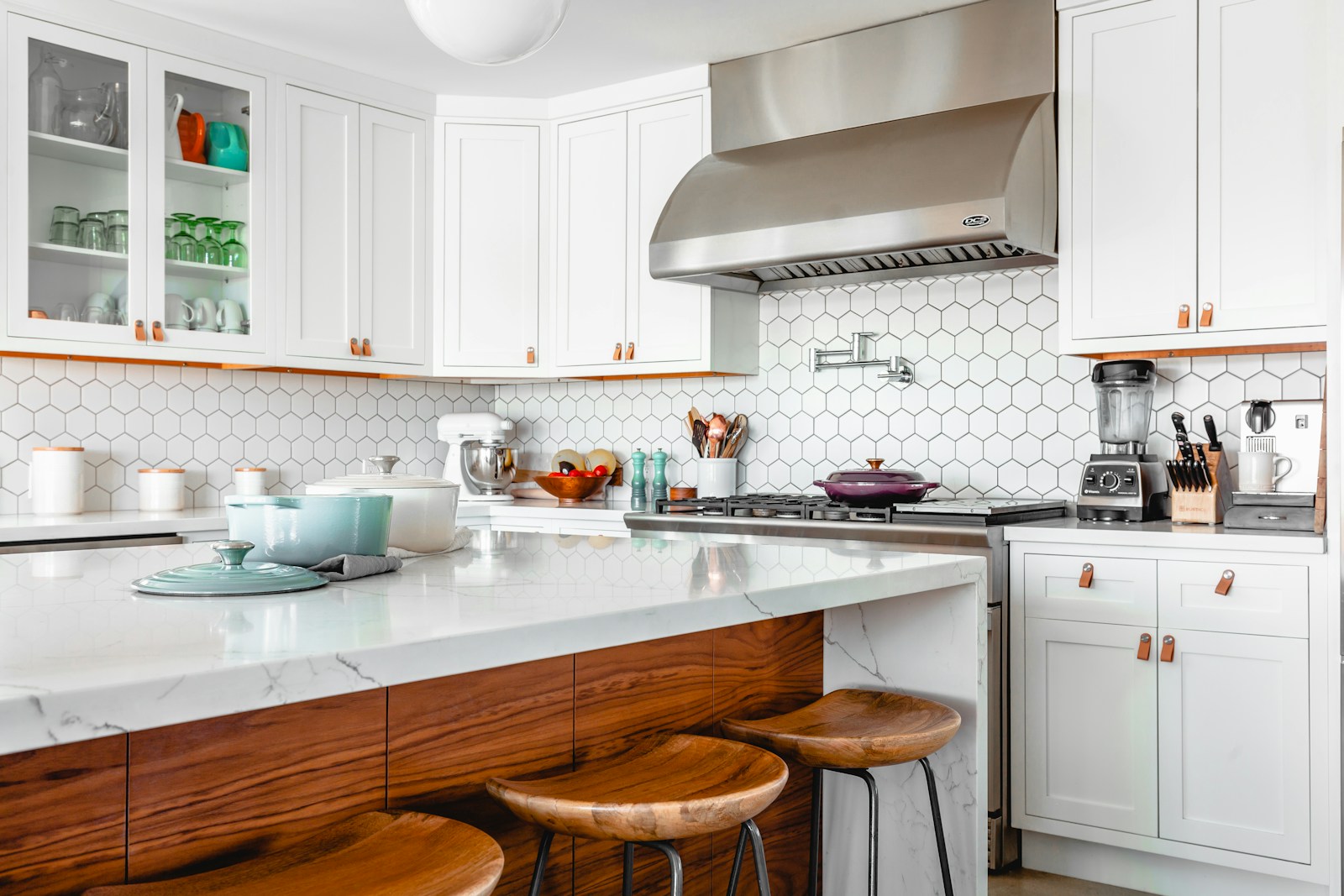
Natural character also comes from materials and seasonal details. A woven basket, a wooden tray, or a linen tablecloth can bring texture without requiring ongoing care. Use a few objects well rather than buying an entire new theme. A bowl of seasonal fruit is both useful and quietly beautiful. If you bring in cut branches or flowers, source them responsibly and avoid taking plants from protected spaces. Even opening a curtain to frame an existing tree can make the room feel more connected to its surroundings.
Let the seasons leave a trace
Nature does not stay the same, and your home does not need to either. Move a chair to enjoy winter light, change the position of a plant according to its care needs, or put away a heavy throw when the weather warms. Resist the pressure to replace every imperfect leaf or turn every corner into a display. The appeal of living things is partly their variability. A home with a little more nature can be a place where you pay closer attention, use what you have, and welcome small changes without having to redecorate.
Thoughtful spaces. Everyday rituals.
A home that feels like you.